Visiting Costa Rica in 2018?
Thinking about going to Costa Rica in 2026? If it’s your first time or even if you’ve been before, skipping common mistakes matters as much as following good advice.
Local insights reveal what trips up travelers, along with what actually works once you’re there.
Here are some invaluable insider’s tips on what NOT to do when visiting this extraordinary, wild and totally unforgettable country.
1. Don’t Feed the Wildlife
 One of the most enticing aspects of a Costa Rica vacation is undoubtedly the up, close and personal wildlife encounters which are guaranteed no matter where you go.Monkeys will swing on trees above your breakfast table at the eco-lodge, toucans will gawk and shadow your hikes and sloths will pose for your camera, totally unfazed by your presence. Yet as tempting as it may be to make your wildlife encounters even closer (you know, by handing over that piece of banana) know that you could be doing great damage to both the animal and, potentially, yourself. Wildlife is called that for a reason and their reaction to being handed food will always be unpredictable and potentially dangerous to you. Moreover, a human epicurean handout will detrimentally affect any animal’s self-reliance instincts, causing havoc to their hunting and/or gathering habits. In Costa Rica, feeding the wildlife is highly illegal anyway, so keep your food safely out of eye sight and grab of any wildlife – especially monkeys – you may come across.
2. Don’t Forget to Look Down (When You Walk)
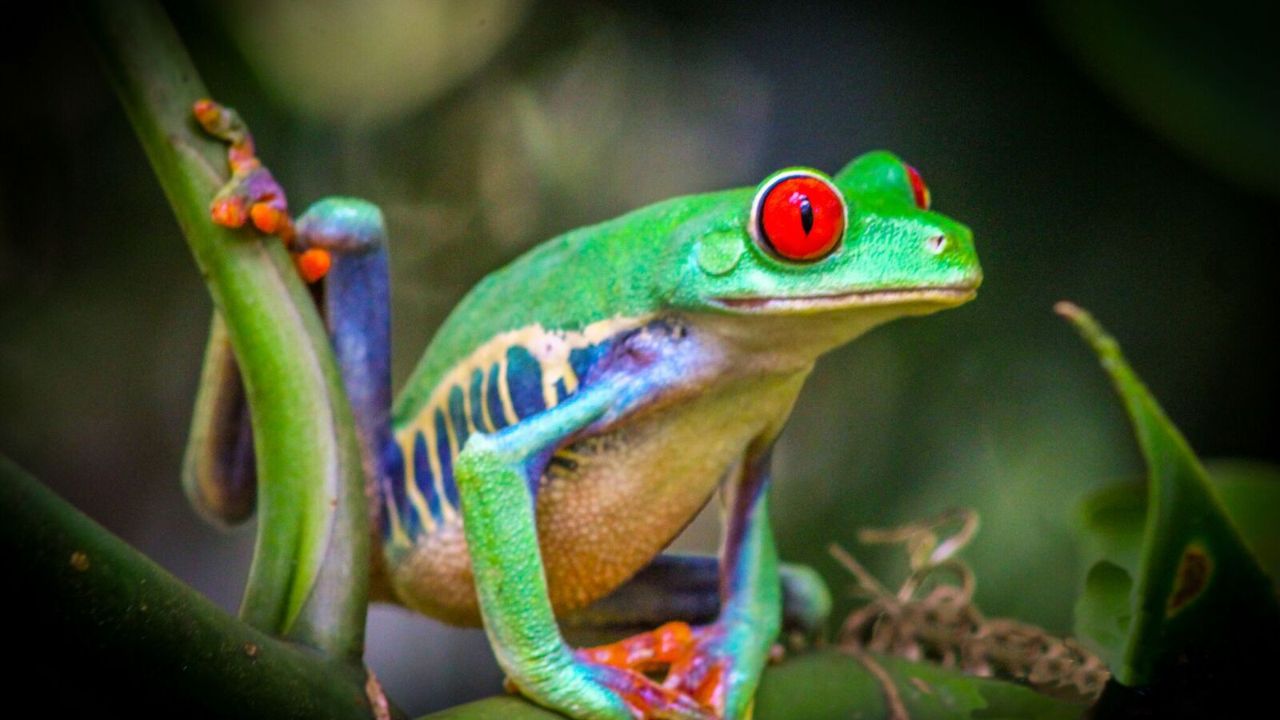
Rain forest and volcano hikes are among the most rewarding activities to pursue in Costa Rica, with an array of animals (in the former) and sights (in the latter) providing a feast for the eyes. Most of the visual feasting, however, will tend to distract your gaze from your walking path and being mindful of this could potentially save you from grief. Snakes and frogs seem to have a knack for crossing walking paths right in front of visitors, which is of course marvelous, except when you’re not really paying attention because you’re too busy looking up at the tree tops trying to spot sloths. Likewise on volcano hikes, uneven ground on walking trails could potentially lead to a sprained ankle, so your attention downwards – to where you put your feet – is quite an important thing to keep in mind.
Snakes and frogs seem to have a knack for crossing walking paths right in front of visitors, which is, of course,e marvelous, except when you’re not really paying attention because you’re too busy looking up at the tree tops trying to spot sloths.
Likewise, on volcano hikes, uneven ground on walking trails could potentially lead to a sprained ankle, so your attention downwards, to where you put your feet, is quite an important thing to keep in mind.
Additional tip: Wear proper hiking boots with ankle support, use a walking stick on uneven terrain, and if you’re focused on wildlife spotting above, stop walking while you look up.
3. Don’t Put On Your Walking Boots Without Checking Them First
 Those incredibly colorful spiders and frogs which inhabit Costa Rica’s incredible forests?
Guess what?
They love sneaking into shoes! No matter whether you leave your hiking boots and shoes outside or keep them inside your lodge room, it certainly pays to get into the habit of checking your shoes for uninvited guests before putting them on every morning.
This isn’t just about boots; check all your shoes, even sandals. A quick shake and visual inspection takes 5 seconds and could save you from a painful bite or sting. Also check towels, clothing left on the floor, and bedding before use.
Pro tip: Store shoes in your luggage or a sealed bag at night, and always shake out towels and clothing that have been hanging outside.
4. Don’t Think You MUST Fly Into San Jose
A stay of several nights can feel lively in the capital of Costa Rica. Still, those arriving for brief visits might find it better to land at Liberia International Airport. This airport sits within Guanacaste Province. Reaching key destinations often takes less time from there.
Starting from Liberia might reduce your driving hours significantly when visiting Playa Flamingo, Tamarindo, Rincon de la Vieja, La Fortuna, or the Nicoya Peninsula. This location serves as a practical base for exploring those areas efficiently.
Best times to visit Liberia LIR
- Beaches in Guanacaste: Tamarindo, Conchal, Flamingo
- Arriving First at Arenal La Fortuna
- Shorter Trip Northwest Costa Rica
Best Times to Arrive in San Jose SJO
- Caribbean Coast, Puerto Viejo, Tortuguero
- Traveling to the southern Pacific areas, including Manuel Antonio, Uvita, andthe Osa Peninsula
- Multi-region trip
- Better international flight options/prices
5. Don’t Ignore Local Warnings
Active volcanoes are one Costa Rica’s most enticing aspect and although the great majority are extinct, there are still a few highly active peaks which show daily signs of impending eruptions. A fuming volcano is a truly mesmerizing sight yet it can also bring danger, especially when people deliberately ignore local authority warnings to keep away. Don’t ever underestimate the power of Costa Rica’s mighty volcanoes and always follow local directives in case any emergency warnings are issued. Trust that your adventure tour company has your best interest and safety at heart, so rely on their advice.
Beyond volcanoes, heed warnings about:
- Beach conditions (rip currents, dangerous surf)
- Wildlife areas (crocodile signs, snake warnings)
- Trail closures in national parks
- Weather alerts during the rainy season
- Road conditions after heavy rain
6. Don’t Avoid the Rain Season
The first quarter of the year is high season in Costa Rica, a time when glorious sunny skies reign supreme. But if for some reason you can’t make it to Costa Rica right now, don’t be discouraged and don’t, whatever you do, avoid the rain season. From August to November Costa Rica enjoys a healthy dose of rain, yet most showers are concentrated only in a couple of afternoon hours, still leaving you plenty of time to enjoy your chosen activities. Prices decrease dramatically during the rainy season, crowds dissipate and, even if a few areas of the country suffer from flooding and are inaccessible, there are still plenty of forests to visit and volcanoes to climb nonetheless.
Benefits of rainy/green season:
- 30-50% lower prices on hotels and tours
- Fewer crowds at popular attractions
- Lush, green landscapes
- Better wildlife viewing (animals are more active)
- Waterfalls at their most impressive
- Morning sunshine with afternoon rain (typically)
Best rainy season destinations: La Fortuna, Monteverde, Caribbean coast (different rain pattern), Osa Peninsula.
7. Don’t Assume Costa Rica is Like Mexico
One of the things that will definitely make locals toot their noses is tourists taking for granted that Costa Rica is just like Mexico. Latin America is not a monolith, and Costa Rican culture, traditions, food, and even the Spanish language are quite different from those of Mexico.
Costa Rica has no army (it has been demilitarized since 1949). Different cuisine (casados, gallo pinto vs tacos, enchiladas). Different Spanish dialects and slang. Different cultural traditions and holidays
Costa Rica is NOT an island, and NOT a U.S. territory (that’s Puerto Rico). Do a little homework before you go; just skimming through the Wikipedia page is a good start! Consciously being culturally sensitive while traveling abroad is a way of showing your hosts that you respect them.
8. Don’t Swim in Rivers or Estuaries

One of the most important safety rules: avoid swimming in rivers and river mouths in Costa Rica. Here’s why:
- Crocodiles: Both American crocodiles and caimans inhabit Costa Rican rivers, especially on the Pacific side. The Tarcoles River is famous for massive crocodiles.
- Bull sharks: Can swim upstream and have been found in rivers
- Pollution: Some rivers, especially near populated areas, may contain sewage
- Strong currents: River mouths can have dangerous rip currents
Safe swimming spots:
- Ocean beaches (check with locals about conditions)
- Swimming pools
- Natural hot springs
- Designated swimming holes and waterfalls (ask guides)
9. Don’t Walk on Beaches at Night
While Costa Rica is generally safe, isolated beaches at night are risky. Most beaches aren’t well-lit and provide criminals with cover for robberies or assaults. This is especially true for remote beaches or those near populated areas.
Beach safety rules:
- Avoid beaches after dark, especially if alone.
- Don’t leave valuables on the beach while swimming.
- Stay in well-populated beach areas during the day.
- Don’t flash expensive jewelry, cameras, or phones.
- Be extra cautious in areas known for theft (some beaches near Jaco, parts of the San Jose coast)
10. Don’t Drink and Drive (Zero Tolerance)

Costa Rica has strict drunk driving laws with roadside checkpoints, especially on weekends and holidays. The legal limit is very low (0.05% BAC, lower than most countries), and penalties are severe:
- Immediate license suspension
- Large fines (up to $500+)
- Possible jail time
- Rental car company charges.
- Your insurance may be voided.
Better options: Use taxis, Uber (in San Jose/Central Valley), a designated driver, or stay where you’re drinking.
11. Don’t Leave Valuables in Your Rental Car
Car break-ins do happen in Costa Rica, especially at beach parking areas and popular tourist spots. Thieves can break a window in seconds.
Prevent theft:
- Never leave valuables visible in your car
- Take everything with you or lock the trunk before arriving
- Park in attended lots when possible ($2-5 well spent)
- Don’t leave rental papers, passports, or wallets in the car
- Consider a small cable lock for securing bags in the trunk
High-risk locations: Beach parking lots, trail heads, downtown areas, anywhere you leave a car unattended.
12. Don’t Flush Toilet Paper (In Most Places)
 Costa Rica’s plumbing system, especially in rural areas and older buildings, can’t handle toilet paper. You’ll see signs asking you to place used paper in the bin next to the toilet.
Why this rule exists:
- Older septic systems with narrow pipes
- Septic tanks instead of sewage systems
- Eco-lodges with composting toilets
- Prevents expensive plumbing backups
Exceptions: Modern hotels, airports, shopping malls, and new buildings usually can handle paper. When in doubt, check for a sign or trash bin; if there’s a bin, use it.
THE DO’S: Essential Tips for Costa Rica Success
1. Do Plan Ahead If Visiting During High Season
Costa Rica isn’t the best country to “wing it” during high tourism season (December-April). The country is well-developed for tourism, which means things book up fast.
Why planning matters:
- Limited accommodation availability
- Tours and activities sell out
- Rental cars become scarce
- Shuttle services fill up
- Prices increase closer to travel dates
Planning checklist:
- Research destinations and create an itinerary
- Book accommodations 3-6 months ahead
- Reserve a rental car 2-3 months ahead
- Pre-book must-do tours and activities
- Arrange transportation between destinations
- Consider travel insurance
2. Do Learn at Least Basic Spanish
While English is widely spoken in tourist areas, knowing basic Spanish enhances your experience and shows respect for local culture. Costa Ricans appreciate when visitors make the effort.
Essential phrases to learn:
- “Buenos días” (Good morning)
- “Pura vida” (Costa Rica’s signature phrase—hello/goodbye/life is good)
- “Por favor” / “Gracias” (Please / Thank you)
- “¿Cuánto cuesta?” (How much does it cost?)
- “¿Dónde está…?” (Where is…?)
- “La cuenta, por favor” (The check, please)
- “No entiendo” (I don’t understand)
Unique Costa Rican Spanish:
- “Tuanis” (Cool, awesome)
- “Mae” (Dude, buddy—very casual)
- “Tico/Tica” (Costa Rican person)
- “Soda” (Small local restaurant)
Note: Costa Rican Spanish differs from Mexican Spanish. They use “usted” (formal you) more commonly and have unique slang.
3. Do Eat at Local Sodas
Sodas are traditional family-style restaurants serving authentic Costa Rican cuisine at reasonable prices. They’re usually named after the owner (Soda Maria, Soda Luis) and are the best places to experience real local food.
What to order at a soda:
- Casado ($6-10): Traditional plate with rice, beans, salad, plantains, and choice of protein
- Gallo pinto ($4-7): Rice and beans mixed together, typically for breakfast
- Olla de carne ($7-12): Traditional beef and vegetable soup
- Fresh fruit batidos ($3-5): Smoothies made with local fruits
- Agua de pipa ($1-2): Fresh coconut water
Benefits of sodas:
- Support local, family-run businesses
- Authentic Costa Rican experience
- Better prices than tourist restaurants
- Generous portions
- Interact with locals
4. Do Bring a Reusable Water Bottle
Costa Rica is working to eliminate single-use plastics, and many national parks (Manuel Antonio, Tenorio Volcano) have banned plastic water bottles.
Water safety in Costa Rica:
- Safe to drink: Most tourist areas, hotels, and restaurants in developed zones
- Ask first: Rural areas, remote eco-lodges, Caribbean coast
- Always safe: Bottled water (backup option)
Benefits of a reusable bottle:
- Save money (bottled water costs $1-2)
- Help the environment (reduce plastic waste)
- Stay hydrated in tropical heat.
- Required for many national parks
- Cold water on hand during tours
Best type: Insulated stainless steel bottle keeps water cold in heat. Consider one with filter for extra caution.
5. Do Understand Tico Time (But Don’t Be Late Yourself)
Costa Rica operates on “Tico time”—a more relaxed approach to punctuality that’s part of the pura vida lifestyle. However, this DOESN’T apply to tourist services.
Tico time context:
- Social gatherings often start late
- “Ahorita” (right now) might mean in 30 minutes
- Locals may arrive 15-30 minutes late
- More relaxed pace of life overall
When YOU must be punctual:
- Tour pickups (they WILL leave without you)
- Shuttle services (no waiting for late passengers)
- Domestic flights (check-in early)
- Restaurant reservations
- Any scheduled service
Pro tip: Be in your hotel lobby 10 minutes before the scheduled pickup time. Tour operators run tight schedules and won’t wait.
6. Do Take a Guided Walk or Tour
Even if you’re an experienced hiker or nature lover, taking at least one guided tour with a naturalist guide is absolutely worth it.
Why guides are worth it:
- Trained eyes spot wildlife you’d miss (sloths, snakes, birds)
- Carry telescopes for close-up viewing
- Explain ecology, behavior, and conservation
- Share local knowledge and stories
- Ensure your safety on trails
- Support local livelihoods
Best places for guided walks:
- Manuel Antonio National Park (monkey, sloth, bird watching)
- Monteverde Cloud Forest Reserve (biodiversity hotspot)
- Corcovado National Park (most wildlife-rich)
- Tortuguero National Park (jungle canals)
- Arenal Observatory trails (volcano views, wildlife)
Family benefit: Especially valuable for children—guides make nature come alive with fascinating facts and help kids spot animals.
7. Do Try to See the “Big Four” of Costa Rica
Most visitors want to experience Costa Rica’s signature landscapes: volcanoes, rainforest, waterfalls, and beaches. The good news? You can see all four in one trip!
The Big Four:
- Volcano:
- Arenal (most iconic, perfect cone shape)
- Poas (an active crater you can visit)
- Irazu (highest, on clear days see both oceans)
- Rincon de la Vieja (volcanic activity, hot springs)
- Rainforest:
- La Fortuna area (easy access from Arenal)
- Monteverde Cloud Forest (unique ecosystem)
- Tortuguero (Caribbean rainforest, canal tours)
- Manuel Antonio (coastal rainforest, wildlife)
- Osa Peninsula/Corcovado (most pristine)
- Waterfall:
- La Fortuna Waterfall (stunning, swimmable)
- Rio Celeste Waterfall (bright blue water)
- Nauyaca Waterfalls (double waterfall, horseback access)
- Llanos de Cortes (easy access, family-friendly)
- Beach:
- Pacific: Conchal, Manuel Antonio, Tamarindo, Montezuma
- Caribbean: Puerto Viejo, Cahuita, Manzanillo
- Choose based on: vibe you want, white vs black sand, calm vs surf
Sample 8-day itinerary hitting all four:
- Days 1-3: La Fortuna (volcano, rainforest, waterfall)
- Days 4-5: Monteverde (cloud forest)
- Days 6-8: Guanacaste beach (Pacific coast)
8. Do Understand Tipping Culture
Costa Rica includes a 10% service charge on restaurant bills, but tipping customs can be confusing.
Tipping guide:
- Restaurants: 10% already included; add 5-10% more for excellent service
- Tour guides: $5-10 per person for half-day, $10-20 for full-day
- Drivers: $3-5 for shuttle drivers, $2-3 for taxi (or round up)
- Housekeeping: $2-3 per day, left daily or at checkout.
- Naturalist guides: Higher ($10-20) for specialized knowledge
- Porters: $1-2 per bag
- Spa services: 10-15% if not included
Important: Check your restaurant bill—the 10% service (“servicio”) should be listed. You’re not required to tip beyond this, but it’s appreciated for good service.
9. Do Respect “Pura Vida” as More Than a Saying
“Pura vida” literally means “pure life,” but represents a whole philosophy embraced by Costa Ricans.
How Ticos use pura vida:
- Greeting: “¿Pura vida?” (How are you?)
- Response: “Pura vida!” (I’m good!)
- Goodbye: “Pura vida!” (See you later)
- Thank you: “Pura vida!” (Thanks)
- Expression of contentment with life
The pura vida mindset:
- Don’t stress about small problems.
- Appreciate life’s simple pleasures.
- Be grateful for what you have.
- Stay positive and optimistic.
- Take time to enjoy the moment.
- Prioritize relationships over rushing.
- Accept things you can’t control
How to embrace it as a visitor:
- Don’t get frustrated by delays or changes.
- Slow down and enjoy the journey.
- Be patient and flexible.
- Smile and be friendly.
- Appreciate the natural beauty around you.
10. Do Get Travel Insurance
This isn’t optional for Costa Rica. Medical evacuation, unexpected trip cancellations, and adventure activity injuries can be extremely expensive.
Why you need it:
- Medical care is good but expensive for foreigners.
- Adventure activities (zip-lining, rafting) carry risk.
- Medical evacuation can cost $20,000+
- Trip cancellation protection (weather, illness)
- Lost luggage and delays
- Rental car coverage gaps
What to get:
- Medical coverage: minimum $50,000
- Emergency evacuation: $100,000+
- Adventure sports coverage (most standard policies exclude)
- Trip cancellation/interruption
- 24/7 emergency assistance
Recommended providers: World Nomads, Allianz, Travel Guard (check they cover adventure activities)
Note: Standard credit card insurance rarely covers adventure activities or adequate medical needs.
11. Do Pack for Multiple Climates
Costa Rica has 12 microclimates, and you can experience dramatic temperature changes in a single day.
Expect these conditions:
- Beach: 85-95°F (hot, sunny, humid)
- Central Valley: 70-80°F (mild, spring-like)
- Monteverde: 60-70°F (cool, cloudy, windy)
- High elevations: 50-60°F (cold at night)
- Rainy season: afternoon downpours
- Dry season: intense sun, little rain
Essential packing list:
- Light, breathable clothing (quick-dry)
- Light rain jacket or poncho
- Light sweater/fleece for mountains
- Sun protection (hat, sunglasses, SPF 50+)
- Sturdy hiking shoes/boots
- Water shoes for rivers/beaches
- Insect repellent (DEET 30%+)
- Reusable water bottle
- Small daypack
- Headlamp/flashlight
- Basic first aid kit
Don’t overpack: Laundry service is widely available and inexpensive.
12. Do Support Sustainable Tourism
Costa Rica is a global leader in ecotourism and sustainability, and visitors should contribute to conservation efforts.
How to be a responsible traveler:
- Choose eco-certified hotels (CST certification)
- Support locally-owned businesses
- Don’t buy products made from endangered species
- Refuse single-use plastics
- Stay on marked trails
- Observe wildlife from a distance
- Choose tour operators with environmental ethics
- Offset your carbon footprint
- Respect protected areas and marine reserves
- Learn about conservation efforts and support them
Look for certifications:
- Blue Flag (beaches and businesses)
- CST (Certification for Sustainable Tourism)
- Rainforest Alliance
- Green Globe
FAQ: Common Costa Rica Questions
Is tap water safe to drink in Costa Rica?
Yes, in most tourist areas and cities. Hotels, restaurants, and developed areas have safe drinking water. However, check with your hotel in rural areas or along the Caribbean coast. When in doubt, drink bottled water or use a filter.
Do I need a 4WD/4×4 vehicle in Costa Rica?
It depends on your destinations. Main tourist areas (La Fortuna, Manuel Antonio, Tamarindo) are accessible with 2WD. You need 4WD for: Monteverde, Osa Peninsula, remote beaches, rural mountain areas, anywhere during heavy rainy season, and if staying in mountain accommodations.
Is Costa Rica safe for tourists?
Generally, yes, Costa Rica is one of Central America’s safest countries. However, use common sense: don’t walk alone at night, don’t flash valuables, avoid isolated beaches after dark, use official taxis, and secure your belongings. Petty theft is the main concern.
What’s the best time to visit Costa Rica?
Dry season (December-April) has the best weather but the highest prices and crowds. Rainy season (May-November) offers lower prices, fewer tourists, and lush landscapes, with rain typically in the afternoons. Shoulder seasons (May-June, November) offer the best balance.
Do I need shots or vaccinations?
No required vaccinations for Costa Rica (except yellow fever if coming from infected areas). However, CDC recommends being up-to-date on routine vaccines and considering Hepatitis A, Typhoid (if visiting rural areas), and updating Tetanus.
Can I use US dollars in Costa Rica?
Yes, USD is widely accepted in tourist areas, though you’ll get change in colones. However, you’ll get better value using colones for small purchases. Credit cards are widely accepted but may have foreign transaction fees.
Is Uber available in Costa Rica?
Yes, but only in the San Jose metropolitan area and the Central Valley. Not available in beach towns or tourist destinations. Use official red taxis elsewhere or book private shuttles.
Do I need a visa for Costa Rica?
US, Canadian, EU, Australian, and many other nationals don’t need a visa for stays up to 90 days. You must have a passport valid for at least 6 months beyond your travel dates.
What language is spoken in Costa Rica?
Spanish is the official language. English is widely spoken in tourist areas, hotels, and tour operations, but less common in rural areas. Learning basic Spanish phrases is helpful and appreciated.
Final Thoughts
Costa Rica is an incredible destination that rewards travelers who come prepared and respectful. By knowing what NOT to do and what TO embrace, you’ll have a safer, more enjoyable, and more authentic experience in this beautiful country.
We’ll help you do, see, and experience all the right things when you’re in Costa Rica, so check out our comprehensive array of adventure tours and come discover this exceptional country for yourself.
We’ll help you do, see and experience all the right things when you’re in Costa Rica, so check out our comprehensive array of adventure tours and come discover this exceptional country for yourself.